ghose 📚 empezó a leer Libro das contrarias de Agustín Agra (Narrativa, #535)
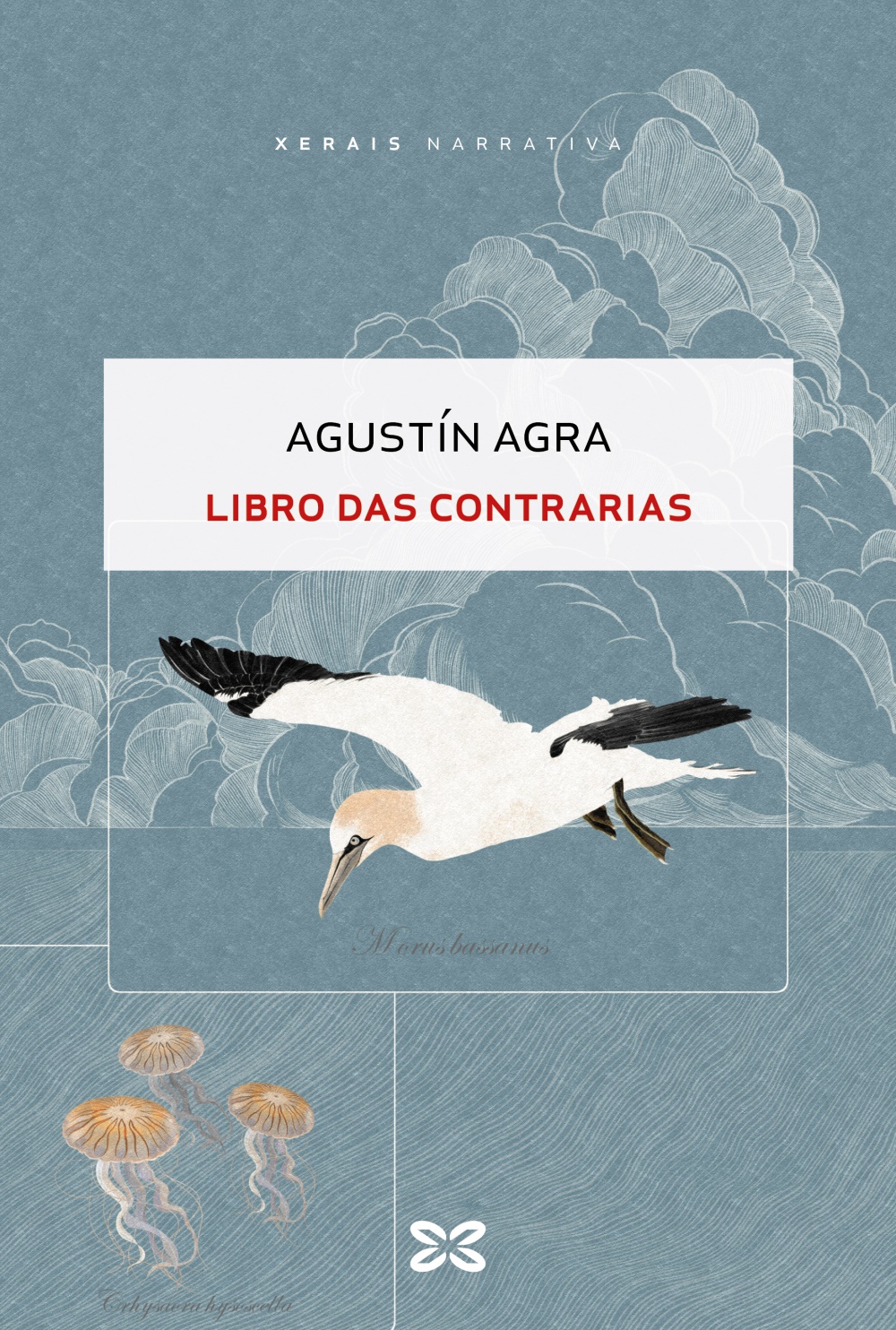
Sofía, unha prestixiosa fotógrafa, intérnase nun agreste parque nacional de Suecia onde só é posible …
arribaialávou
aka @ghose⁂
Tradutor da interface web de bookwyrm ao #galego. Avatar: Enchanted pages, by David Revoy (fragment, CC-By 4.0)
formerly known as ghose at bookrastinating dot com, moved here.
Este enlace se abre en una ventana emergente
¡Hecho! ghose 📚 ha leído 14 de 12 libros.
Sofía, unha prestixiosa fotógrafa, intérnase nun agreste parque nacional de Suecia onde só é posible …
arribaialávou
Sofía, unha prestixiosa fotógrafa, intérnase nun agreste parque nacional de Suecia onde só é posible …
está en galiciale (ver ligazón na ficha), curtiño e ao pé
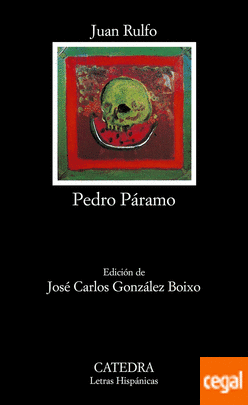
Cuando al final de la década de los sesenta la narrativa hispanoamericana alcanzó un prestigio …
entre dos tierras eeeestás, y no dejas aaaire que respiraaaar
que yo no tengo la culpa de verte caaaer
Cuando al final de la década de los sesenta la narrativa hispanoamericana alcanzó un prestigio mundial, se volvió la vista …
Cuando al final de la década de los sesenta la narrativa hispanoamericana alcanzó un prestigio mundial, se volvió la vista …
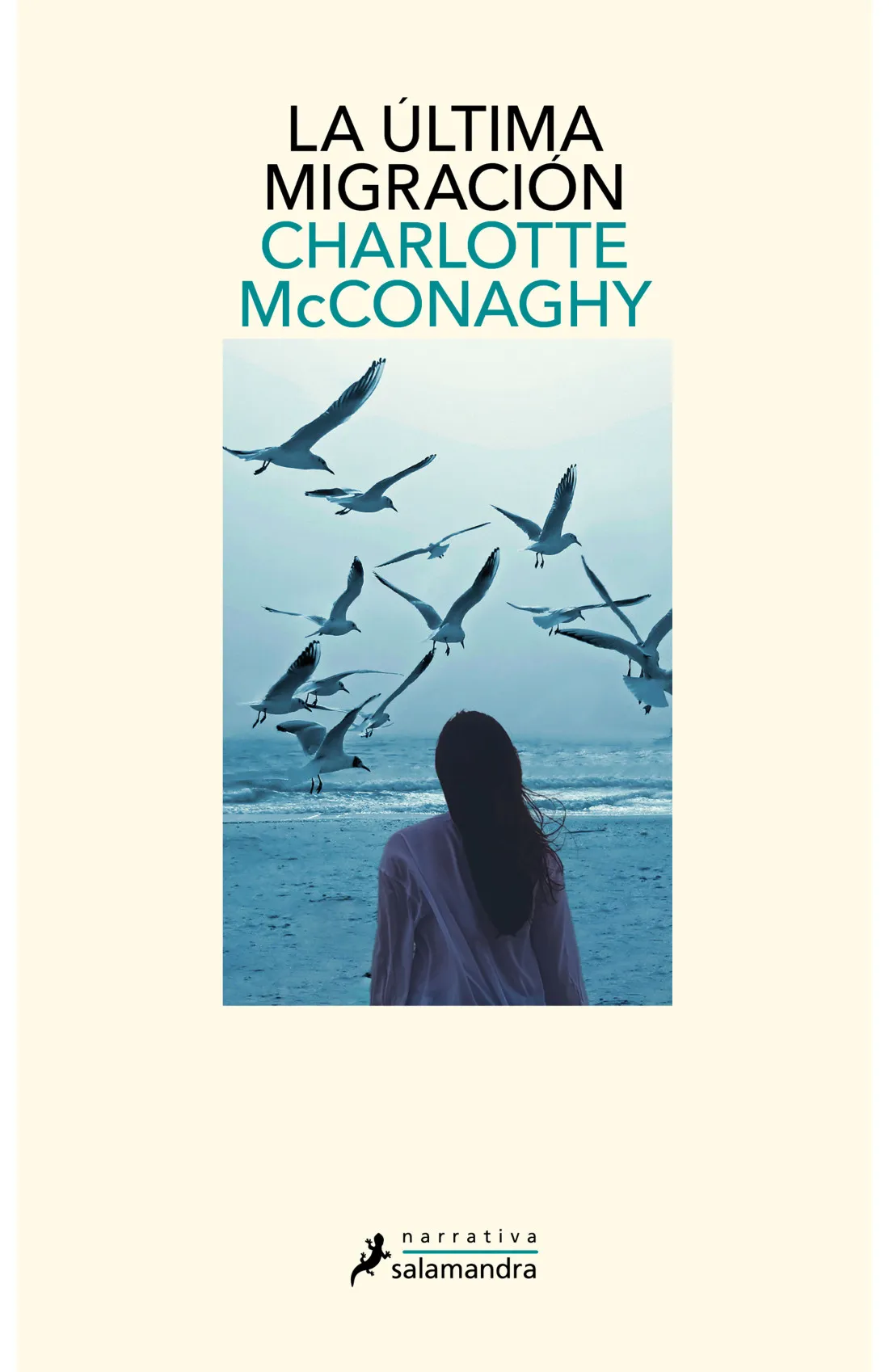
Franny Stone es el tipo de mujer incapaz de comprometerse. Sin embargo, cuando la naturaleza …
por veces demasiado simplista nas motivacións dos personaxes, un «romance virapaginas», no bo sentido, un lugar do que podes entrar e saír sen dificultade, sen precisar concentrarse en exceso para comprender. Aprendín aquí ⁂ esta expresión (pt_BR).
Está ben descrita a angustia e sentimento de perda que sinten varios personaxes, debida a extinción masiva de especies con orixe nos cambios no clima planetario. Non é un spoiler. Ese sentimento lévaos a actuar con diferentes actitudes para afrontar a desgracia, e debo dicir que sentin como propia a emoción, o sentimento de pertenza e o de culpa. Un punto positivo para a autora.
Outras desgracias acontecen, de xeito velado, que condicionan a trama e vanse desvelando con contínuos saltos temporais na narración que, na súa maioría, se utilizan dun xeito correcto, non confuso.
Existe unha trama romántica, pero outros problemas de xestión emocional das vicisitudes …
por veces demasiado simplista nas motivacións dos personaxes, un «romance virapaginas», no bo sentido, un lugar do que podes entrar e saír sen dificultade, sen precisar concentrarse en exceso para comprender. Aprendín aquí ⁂ esta expresión (pt_BR).
Está ben descrita a angustia e sentimento de perda que sinten varios personaxes, debida a extinción masiva de especies con orixe nos cambios no clima planetario. Non é un spoiler. Ese sentimento lévaos a actuar con diferentes actitudes para afrontar a desgracia, e debo dicir que sentin como propia a emoción, o sentimento de pertenza e o de culpa. Un punto positivo para a autora.
Outras desgracias acontecen, de xeito velado, que condicionan a trama e vanse desvelando con contínuos saltos temporais na narración que, na súa maioría, se utilizan dun xeito correcto, non confuso.
Existe unha trama romántica, pero outros problemas de xestión emocional das vicisitudes da vida trancenden a esta, ou conflúen con ela.
Nunhas semanas esquecerei a novela, pero lembrarei que é un traballo moi correcto e que agradezo.
Franny Stone es el tipo de mujer incapaz de comprometerse. Sin embargo, cuando la naturaleza …
polo menos entendo o que leo, non coma co anterior
Franny Stone es el tipo de mujer incapaz de comprometerse. Sin embargo, cuando la naturaleza que adora comienza a desaparecer, …
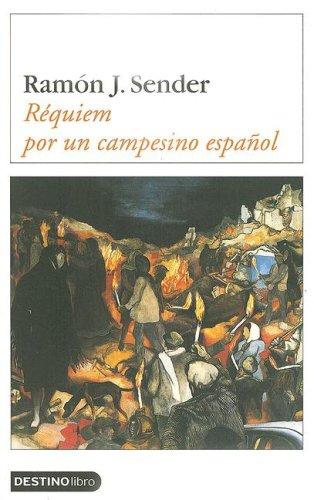
Réquiem por un campesino español es una novela breve de Ramón J. Sender, uno de …
un relato no que en cada personaxe atopamos un estreotipo que reflicte unha época e a súa realidade. Coas servidumes forzadas e as interesadas, co noxo por que quere redimir falsamente os seus pecados. O primeiro o cura, que o autor sitúa nunha especie de plano omnisciente (non lonxe da realidade) demasiado aséptico para o meu gusto. Sería mais comprensivo se falase desde o medo, pero faino desde unha neutralidade que atende os designios divinos.
Relato? si, pero máis é unha descrición sociolóxica e das costumes e usos sociais do seu tempo.
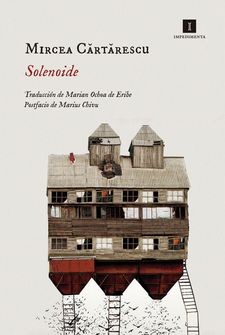
admito a derrota. Ler ten que ser un desfrute, e non un traballo. Ten capítulos e pasaxes con reflexións moi interesantes.
Toda a novela é o relato en primeira persoa das tribulacións do protagonista, das súas miserias, problemas psicolóxicos, enfermidade(s), acoso, maltrato, miseria, relacións afectivas, o traballo, a frustración de non ser escritor (que non novelista), e elementos de fantasía e terror que se misturan coa realidade debido a, ou consecuencia de, os problemas psicolóxicos.
Levo preto de 400 páxinas e non se produciu o xiro narrativo que agardaba e que me mantivese ata máis alá das 1000.
O metadebate sobre o que é a literatura pareceume interesante, pero últimamente roza a caricatura.
Pode que sexa do teu interese, pero a min non me está compensando. Leo por pracer, non quero obrigarme a abrir o libro e ler un par de capítulos como se fose isto …
admito a derrota. Ler ten que ser un desfrute, e non un traballo. Ten capítulos e pasaxes con reflexións moi interesantes.
Toda a novela é o relato en primeira persoa das tribulacións do protagonista, das súas miserias, problemas psicolóxicos, enfermidade(s), acoso, maltrato, miseria, relacións afectivas, o traballo, a frustración de non ser escritor (que non novelista), e elementos de fantasía e terror que se misturan coa realidade debido a, ou consecuencia de, os problemas psicolóxicos.
Levo preto de 400 páxinas e non se produciu o xiro narrativo que agardaba e que me mantivese ata máis alá das 1000.
O metadebate sobre o que é a literatura pareceume interesante, pero últimamente roza a caricatura.
Pode que sexa do teu interese, pero a min non me está compensando. Leo por pracer, non quero obrigarme a abrir o libro e ler un par de capítulos como se fose isto unha competición de resistencia.
No puc mes.
«En el capitalismo existe la explotación del hombre por el hombre. En el comunismo es al revés»
— Solenoide por Mircea Cărtărescu
a función de crear un QR en koreader co texto é moi práctica para poder compartir co móbil (rocinante) ou directamente unha nota en nextcloud.
a cita é un comentario irónico/cínico nun réxime comunista dictatorial
XD gracias. Estoy «liado», pero si, igual es un descanso para la cabeza ;)
estame costando muito avanzar na lectura porque non estou motivado e por cousas, pero é un libro que por momentos non entendo nada (literalmente), noutros conta cousas durísimas, pérdese en descricións polo miúdo, de súpeto aparecen elementos «fantásticos», …ou de terror. Non podo dicir que estou atrapado, pero é como se intuíse que algo vai acontecer. Non teño expectativas concretas, prefiro non telas, pero a cabeza do protagonista, que narra en primeira persoa, é desas que pecan de overthinking.
estame costando muito avanzar na lectura porque non estou motivado e por cousas, pero é un libro que por momentos non entendo nada (literalmente), noutros conta cousas durísimas, pérdese en descricións polo miúdo, de súpeto aparecen elementos «fantásticos», …ou de terror. Non podo dicir que estou atrapado, pero é como se intuíse que algo vai acontecer. Non teño expectativas concretas, prefiro non telas, pero a cabeza do protagonista, que narra en primeira persoa, é desas que pecan de overthinking.