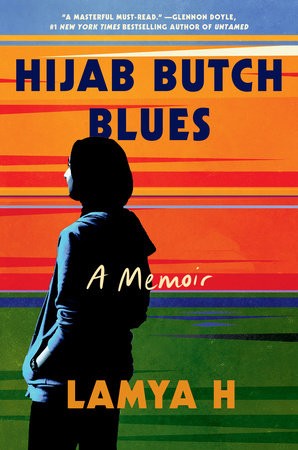
When fourteen-year-old Lamya H realizes she has a crush on her teacher—her female teacher—she covers up her attraction, an attraction she can’t yet name, by playing up her roles as overachiever and class clown. Born in South Asia, she moved to the Middle East at a young age and has spent years feeling out of place, like her own desires and dreams don’t matter, and it’s easier to hide in plain sight. To disappear. But one day in Quran class, she reads a passage about Maryam that changes everything: when Maryam learned that she was pregnant, she insisted no man had touched her. Could Maryam, uninterested in men, be . . . like Lamya?
From that moment on, Lamya makes sense of her struggles and triumphs by comparing her experiences with some of the most famous stories in the Quran. She juxtaposes her coming out with Musa liberating his …
When fourteen-year-old Lamya H realizes she has a crush on her teacher—her female teacher—she covers up her attraction, an attraction she can’t yet name, by playing up her roles as overachiever and class clown. Born in South Asia, she moved to the Middle East at a young age and has spent years feeling out of place, like her own desires and dreams don’t matter, and it’s easier to hide in plain sight. To disappear. But one day in Quran class, she reads a passage about Maryam that changes everything: when Maryam learned that she was pregnant, she insisted no man had touched her. Could Maryam, uninterested in men, be . . . like Lamya?
From that moment on, Lamya makes sense of her struggles and triumphs by comparing her experiences with some of the most famous stories in the Quran. She juxtaposes her coming out with Musa liberating his people from the pharoah; asks if Allah, who is neither male nor female, might instead be nonbinary; and, drawing on the faith and hope Nuh needed to construct his ark, begins to build a life of her own—ultimately finding that the answer to her lifelong quest for community and belonging lies in owning her identity as a queer, devout Muslim immigrant.
This searingly intimate memoir in essays, spanning Lamya’s childhood to her arrival in the United States for college through early-adult life in New York City, tells a universal story of courage, trust, and love, celebrating what it means to be a seeker and an architect of one’s own life. --randomhousebooks.com
Just finished this one, and I know it’s going to stick with me. I recommend the chapter Asiyah to everyone working with US immigration or survivors of domestic violence. The treatment of women in the Quran reminded me of The Five Books of Miriam (dialogues between women in the Torah). The way the author here intertwined these stories with memoir was beautifully original.
Lamya (she/they) presents a memoir of her life as a queer hijabi Muslim, blended with her recollections and interpretations of stories in the Qur'an.
Born in South Asia, at 4 her parents move to a rich Arab state where she is immersed in readings of the Qur'an and sits at the bottom of the informal racial hierarchy. They realise they are queer at 14 after they feel a strong connection to the story of Maryam and has a crush on their teacher that manifests through persistent pranking to get her attention. She later starts college in the US as most of her family move to America and she faces battles with racism and the immigration system.
It’s a beautiful exploration of seeing your faith through feminist and queer lenses, the racism in the queer community, and discovering yourself and your vulnerability with others. It’s refreshing to see such a dauntless …
Lamya (she/they) presents a memoir of her life as a queer hijabi Muslim, blended with her recollections and interpretations of stories in the Qur'an.
Born in South Asia, at 4 her parents move to a rich Arab state where she is immersed in readings of the Qur'an and sits at the bottom of the informal racial hierarchy. They realise they are queer at 14 after they feel a strong connection to the story of Maryam and has a crush on their teacher that manifests through persistent pranking to get her attention. She later starts college in the US as most of her family move to America and she faces battles with racism and the immigration system.
It’s a beautiful exploration of seeing your faith through feminist and queer lenses, the racism in the queer community, and discovering yourself and your vulnerability with others. It’s refreshing to see such a dauntless defence and embrace of the intersection between faith, race and queerness. Certainly, passages towards the end deeply connected with me and gave me a lot to reflect on.