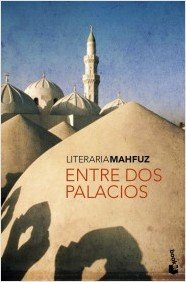
Naguib Mahfouz Abdelaziz Ibrahim Ahmed Al-Basha (Arabic: نجيب محفوظ عبد العزيز ابراهيم احمد الباشا, I11 December 1911 – 30 August 2006) was an Egyptian writer who won the 1988 Nobel Prize in Literature. In awarding the prize, the Swedish Academy described him as a writer "who, through works rich in nuance – now clear-sightedly realistic, now evocatively ambiguous – has formed an Arabian narrative art that applies to all mankind". Mahfouz is regarded as one of the first contemporary writers in Arabic literature, along with Taha Hussein, to explore themes of existentialism. He is the only Egyptian to win the Nobel Prize in Literature. He published 35 novels, over 350 short stories, 26 screenplays, hundreds of op-ed columns for Egyptian newspapers, and seven plays over a 70-year career, from the 1930s until 2004. All of his novels take place in Egypt, and always mention the lane which equals the world. His most famous works include The Cairo Trilogy and Children of Gebelawi. Many of Mahfouz's works have been made into Egyptian and foreign films; no Arab writer exceeds Mahfouz in number of works that have been adapted for cinema and television. While Mahfouz's literature is classified as realist literature, existential …
نجيب محفوظ
Información sobre le autore
- Alias:
-
Mahfl'z Naguîb, Mahfouz, Mahfuz Nagib, y 110 otros
Mahfuz Najib, Mahfūz, N. Mahfouz, N. Mahfuz, Na'jiyb Maxfuz, Nadjib Mahfus, Nadjīb Maḥfūz, Nadschib Mahfus, Nadżib Mahfuz, Nadžíb Mahfúd, Nadžíb Mahfúz, Nag'ib Maḥfuṭ, Naghib Mahfuz, Nagib, Nagib Machfus, Nagib Machfuz, Nagib Mahfoudh, Nagib Mahfus, Nagib Mahfuz, Nagib Makhfuz, Nagib Mechfus, Nagib Mehfus, Nagibas Mahfuzas, Nagieb Mahfoez, Naguib 'Abd al-'Aziz al-Sabillgi Mahfuz, Naguib Bey Mahfouz, Naguib Mahfouz, Naguib Mahfuz, Naguib Mahfús, Naguib Maḥfoūẓ, Naguíb Mahfúz, Naguîb Mahfl'z, Naguîb Maḥfûz, Nagíb Mahfoez, Nagīb Machfūs, Nagīb Maḥfūẓ, Nagībs Mahfūzs, Najib Mahfouz, Najib Mahfuz, Najib Nahfouz, Najîb Mahfûz, Najīb Mafūz, Najīb Mahfūdh, Najīb Mahfūz, Najīb Maḥfūz, Najīb Maḥfūẓ, Nassib Mahfouz, Nayib Mahfuz, Naŷīb Maḥfūẓ, Naǧīb Maḥfūz, Naǧīb Maḥfūẓ, Naǧīb Maḥfūẓ Ibn-Ibrāhīm ʿAbd-al-ʿAzīz al-Bāšā, Naǧīb Maḥfūẓ Ibn-ʿAbd-al-ʿAzīz Aḥmad al-Bāšā, Naǧīb Maḥfūẓ Ibrāhīm ʿAbd-al-ʿAzīz al-Bāšā, Naǧīb Maḥfūẓ ʿAbd al-ʿAzīz, Naǧīb Maḥfūẓ ʿAbd-al-ʿAzīz Aḥmad al-Bāšā, Naǵib Maḥfūẓ, Necib Mahfuz, Nedžib Mahfuz, Negib Machfus, Nəcib Məhfuz, Ναγκίμπ Μαχφούζ, Нагиб Махфуз, Нагіб Махфуз, Нажиб Махфуз, Наґіб Магфуз, Наґіб Махфуз, Нәғиб Мәхфрүз, Нәҗип Мәхфүз, Նագիբ Մահֆուզ, נאגיב מאכפֿוז, נג'יב מחפוז, נג'יב מחפוט', נגיב מחפוז, נג׳יב מחפוז, ا لسكرية, مجفوظ، نجيب, محفظ، نجيب،, محفوز، نجيب،, محفوط، نجيب, محفوظ ، مجيب, محفوظ ،نجيب, محفوظ، نجب،, محفوظ، نجيب, محفوظ، نجيب،, محفوظ، نحيب, محوز، نجيب, نأجیڤ مأحفوٙظ, نجيب محفوظ, نجيب محفوظ،, نجیب محفوظ, نەجیب مەحفووز, नजीब महफूज़, नाग्विब महफूझ, নাগিব মাহফুজ, ਨਜੀਬ ਮਹਿਫ਼ੂਜ਼, நகிப் மஹ்ஃபூஸ், నగీబ్ మెహఫూజ్, നജീബ് മഹ്ഫൂസ്, นะญีบ มะห์ฟูซ, ნაჯიბ მაჰფუზი, ነጂብ ማህፋዝ, ናጊብ ማህፉዝ, محفوظ، نجيب ،, ナギーブ マハフーズ, ナギーブ マフフーズ, ナギーブ・マフフーズ, 納吉布·馬哈福茲, 馬哈福茲, 나기브마푸즈 - Fecha de nacimiento:
- 1 de enero de 1911
- Fecha de defunción:
- 1 de enero de 2006
Enlaces externos
Naguib Mahfouz Abdelaziz Ibrahim Ahmed Al-Basha (Arabic: نجيب محفوظ عبد العزيز ابراهيم احمد الباشا, I11 December 1911 – 30 August 2006) was an Egyptian writer who won the 1988 Nobel Prize in Literature. In awarding the prize, the Swedish Academy described him as a writer "who, through works rich in nuance – now clear-sightedly realistic, now evocatively ambiguous – has formed an Arabian narrative art that applies to all mankind". Mahfouz is regarded as one of the first contemporary writers in Arabic literature, along with Taha Hussein, to explore themes of existentialism. He is the only Egyptian to win the Nobel Prize in Literature. He published 35 novels, over 350 short stories, 26 screenplays, hundreds of op-ed columns for Egyptian newspapers, and seven plays over a 70-year career, from the 1930s until 2004. All of his novels take place in Egypt, and always mention the lane which equals the world. His most famous works include The Cairo Trilogy and Children of Gebelawi. Many of Mahfouz's works have been made into Egyptian and foreign films; no Arab writer exceeds Mahfouz in number of works that have been adapted for cinema and television. While Mahfouz's literature is classified as realist literature, existential themes appear in it.